01 Capture
Document equipment identity, location, what it serves, shutoffs, controls, service access and field photos.
Built for facilities that cannot afford forgotten equipment
MAI is the mechanical credit score and building memory system for commercial buildings—turning scattered asset knowledge into a durable record for service, risk and capital planning.
Built by licensed mechanical contractors
The only living building health score
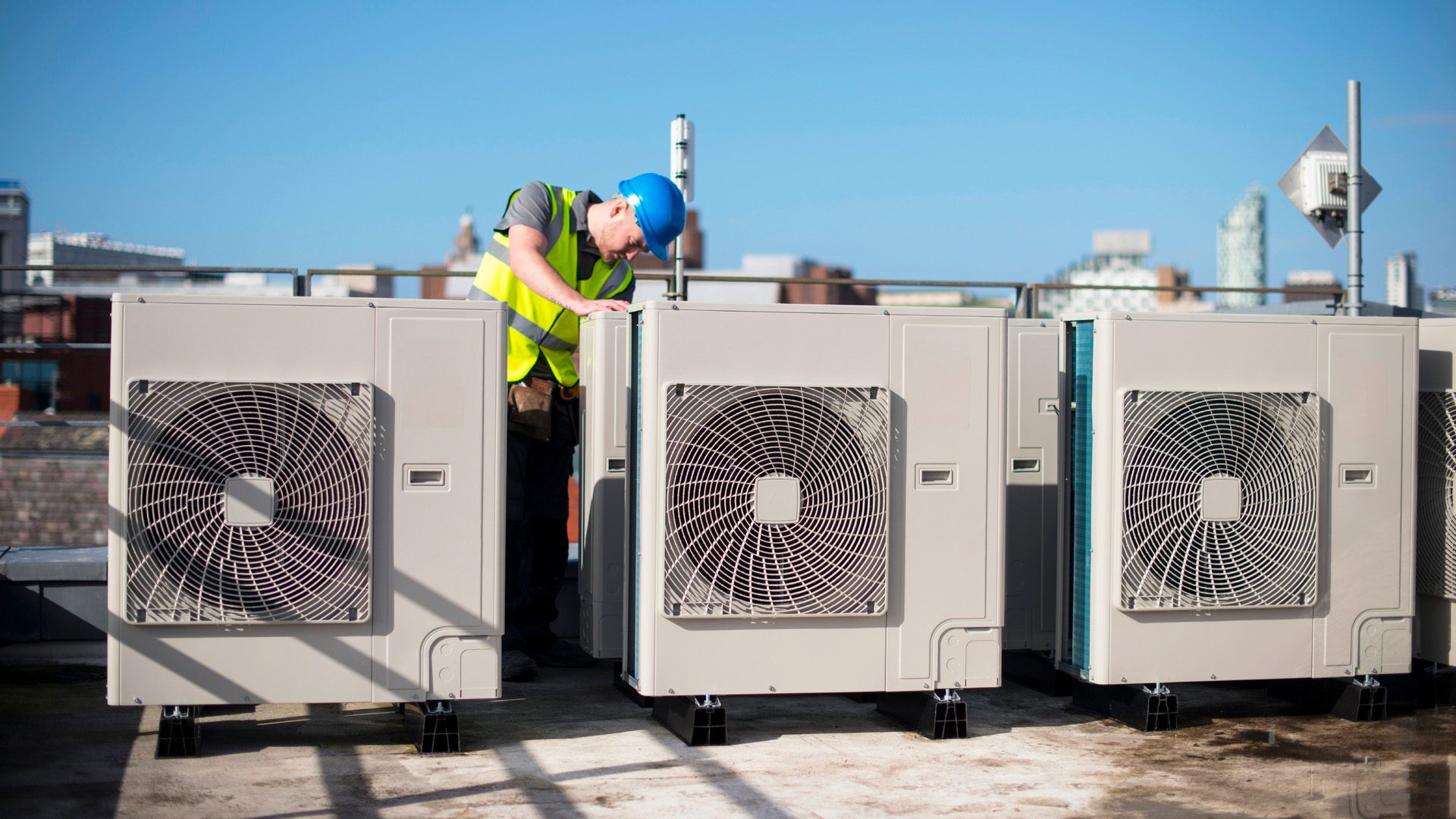
The full walkthrough in about 5 minutes: field capture, AI nameplate reads, building memory, PM & compliance, boiler CSD-1, the score and capital forecast, and exports.
MAI organizes the facts that usually live across technicians, service tickets, labels, spreadsheets and institutional memory—then turns them into a clear operating picture for the building.
Document equipment identity, location, what it serves, shutoffs, controls, service access and field photos.
Preserve repeat problems, deferred repairs, service history and the details technicians need before they arrive.
Use MAI scores, risk signals and expected maintenance needs to support repair priorities and capital budgeting.
A living mechanical register for the property
Every unit gets a living record: each repair logged, PMs scheduled and tracked, replacement costs forecasted years out. Owners see what is coming before it breaks.
Log failures, repairs, parts and recurring issues so the next decision starts with context—not another search through old tickets.
Schedule expected maintenance, track completion and surface overdue work across every mechanical unit in the building.
Connect age, condition, risk and cost so ownership can plan years ahead instead of funding replacements after a failure.
MAI gives ownership and facility teams a consistent mechanical record across buildings with very different equipment, staffing and capital pressures.
Dozens of RTUs across multiple buildings, organized into one capital plan.
Aging boilers and volunteer trustees get a clear, defensible list of priorities.
Repeated equipment types, tenant impact and turnover stay visible across the property.
Support systems and their production dependencies remain documented before downtime.
Critical mechanical assets, service history and risk stay connected to operations.
Tenant-by-tenant rooftop units and shared systems roll into one ownership view.
MAI turns unit records into a concise building score, condition-based equipment list and forward-looking capital forecast.
Illustrative sample only. Actual scores, conditions and forecasts are based on the building’s verified equipment records and field information.
The same durable-memory model, extended to the mechanical systems that support production, process cooling and facility operations.
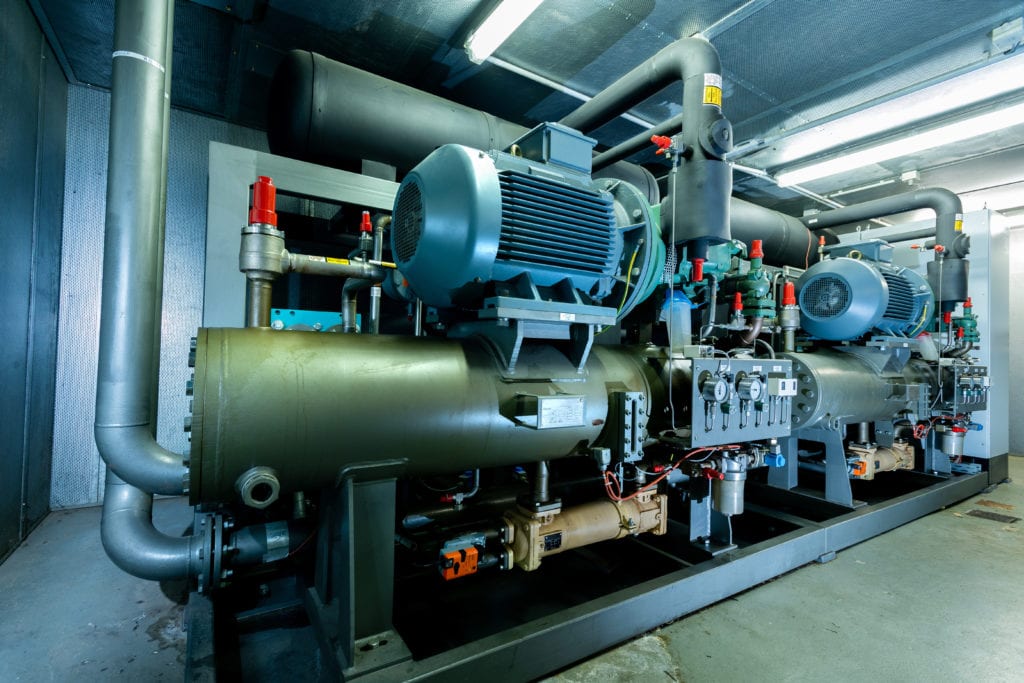
MAI Industrial is being developed for plant engineers and facility leaders who need a clearer record of process-support assets and the knowledge surrounding them.
MAI is structured around the people who operate, maintain and fund mechanical systems—not just the equipment itself.
Understand building-level risk, deferred work and capital priorities without reconstructing the story from old tickets.
Give staff and service partners a reliable equipment record with locations, dependencies, access notes and history.
Build a durable source of truth for critical mechanical assets, service information and operational dependencies.
A 0–100 planning signal that helps teams understand mechanical-asset condition and risk in a consistent way. It supports informed decisions; it does not replace professional inspection or engineering judgment.
MAI is focused on the durable asset record: what the equipment is, where it is, what it serves, what has repeatedly gone wrong and what should be planned next. It is designed to strengthen the information behind service and capital decisions.
Commercial property managers, facility directors and ownership teams who want to begin with one building and establish a reliable mechanical baseline.
MAI Industrial is coming soon. Its initial scope includes air compressors, process chillers, glycol systems and related process-support equipment.
Commercial early access is opening soon. Industrial is in development.